
Energy Economics and Urban Resilience
CAAR Scholars’ Participation in Baseline Study on Electric Bikes and Pedestrian Safety in Accra
Timeline: September, 2026


Background
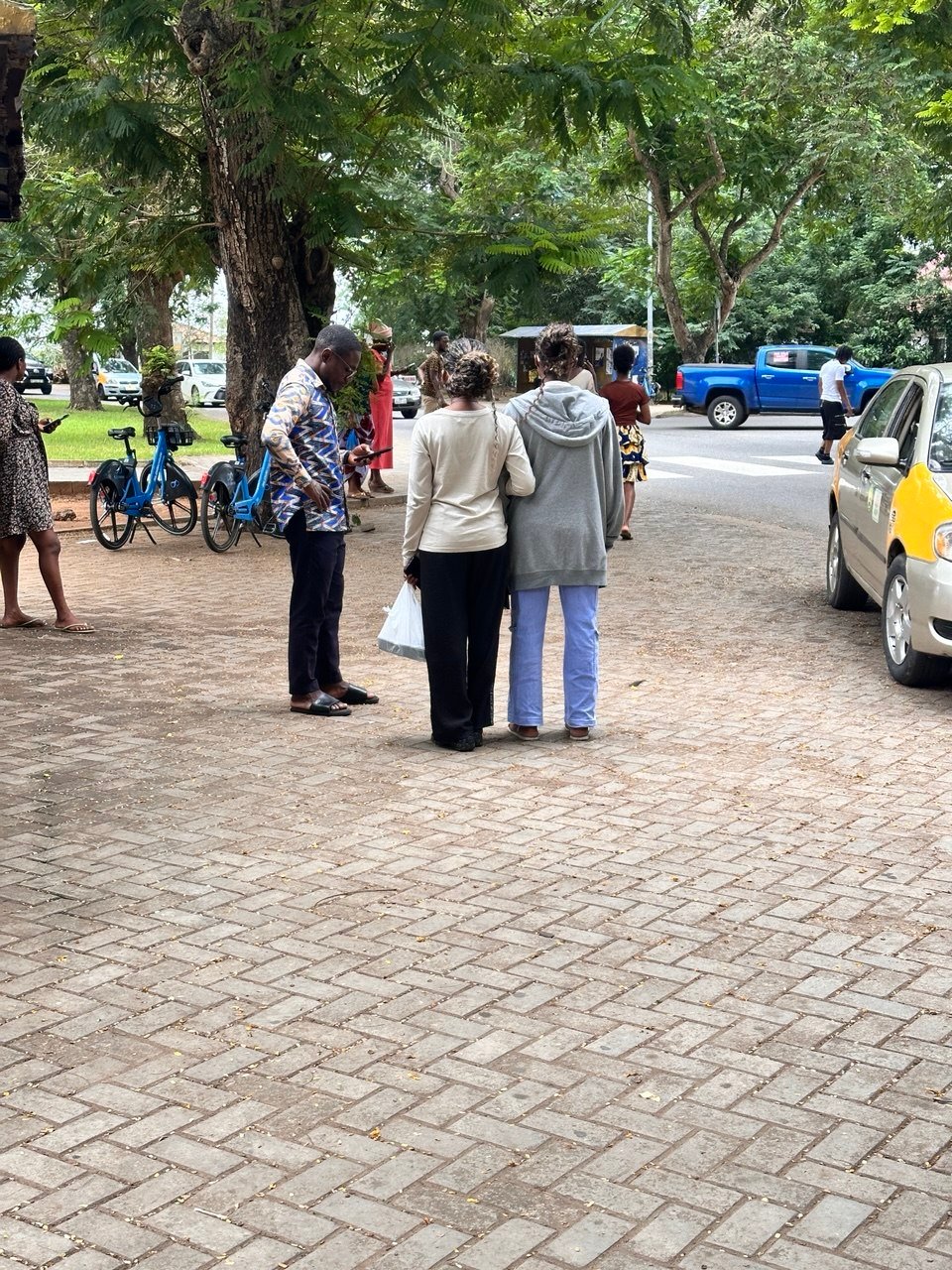
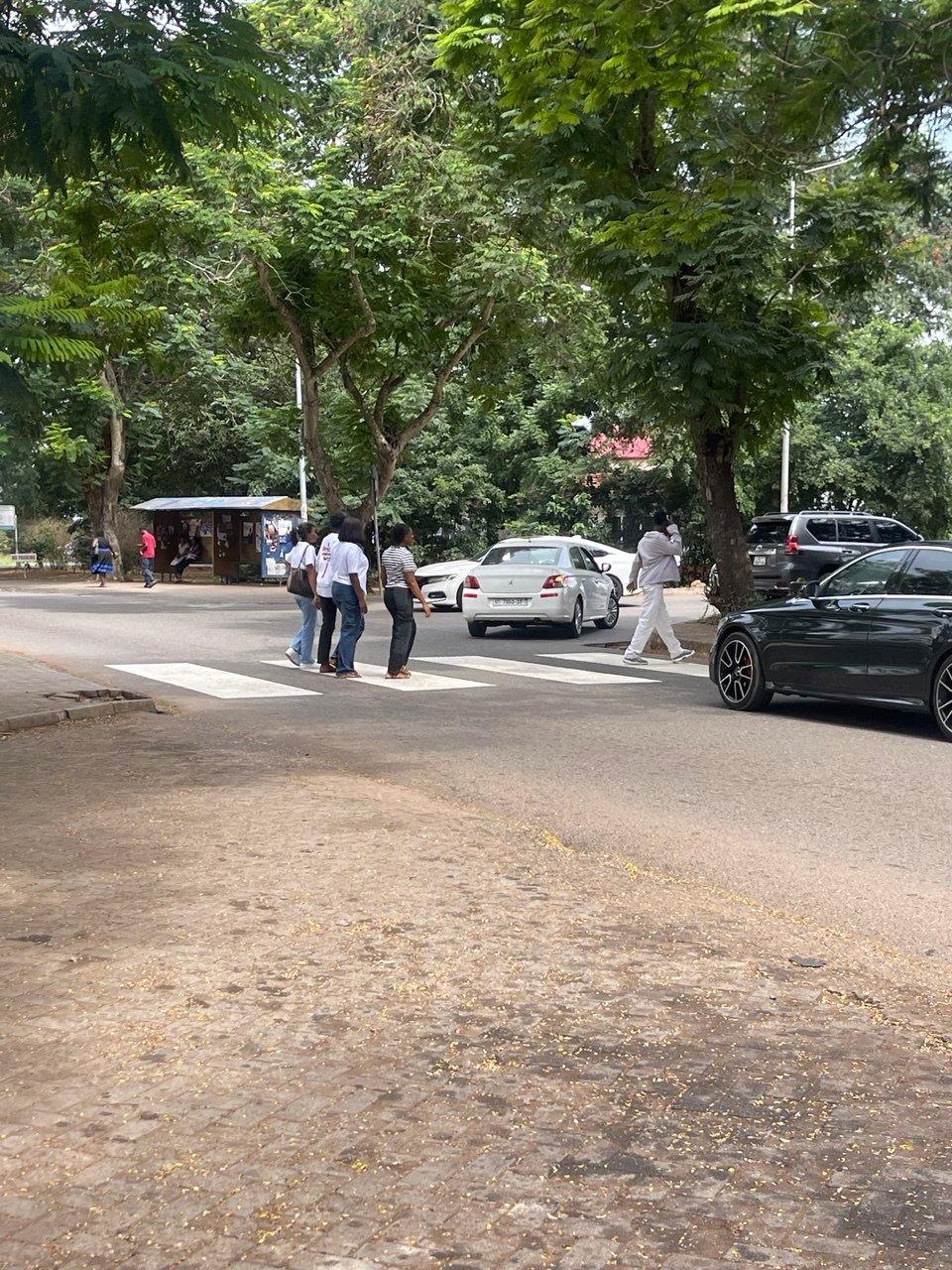
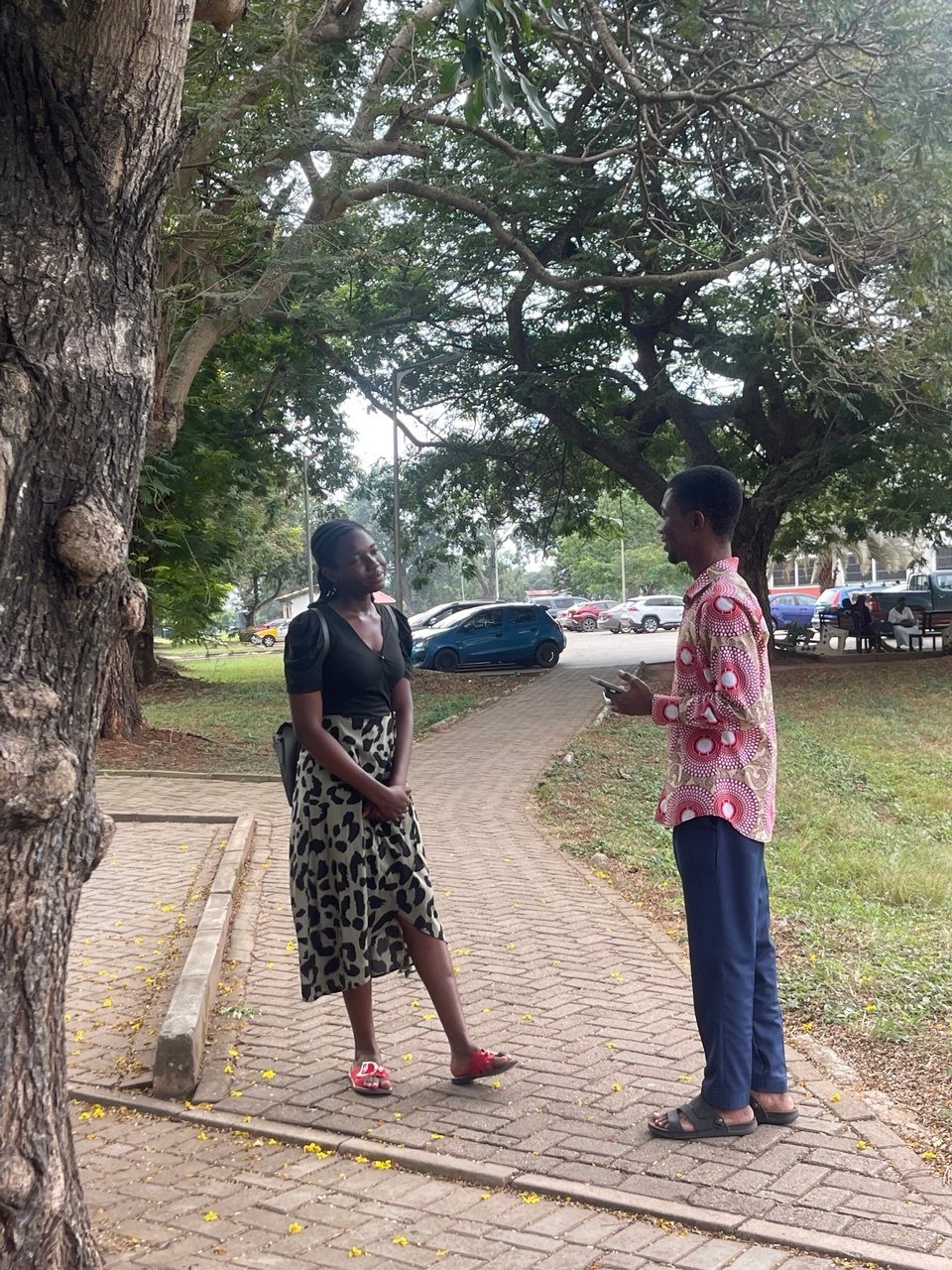
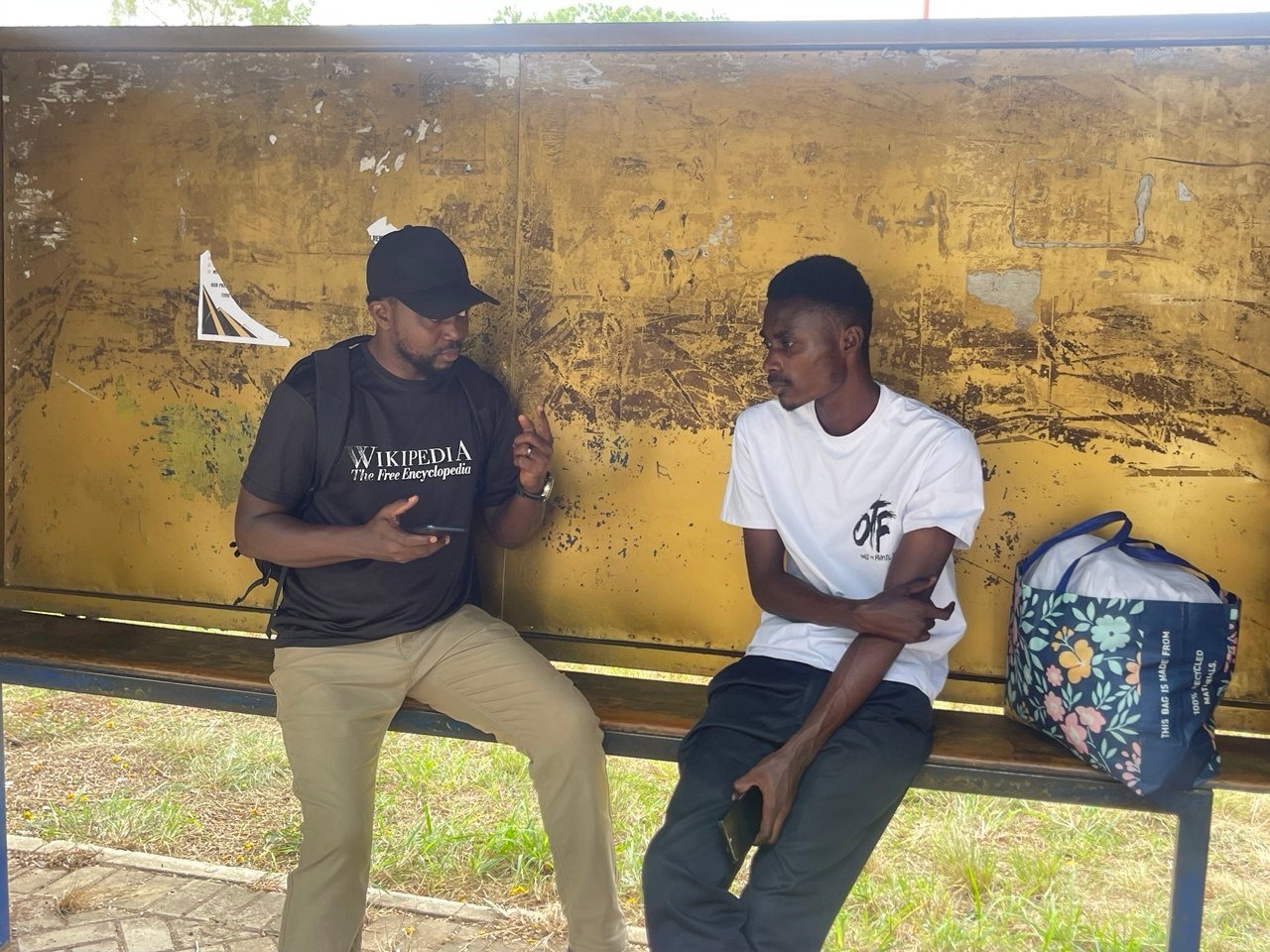
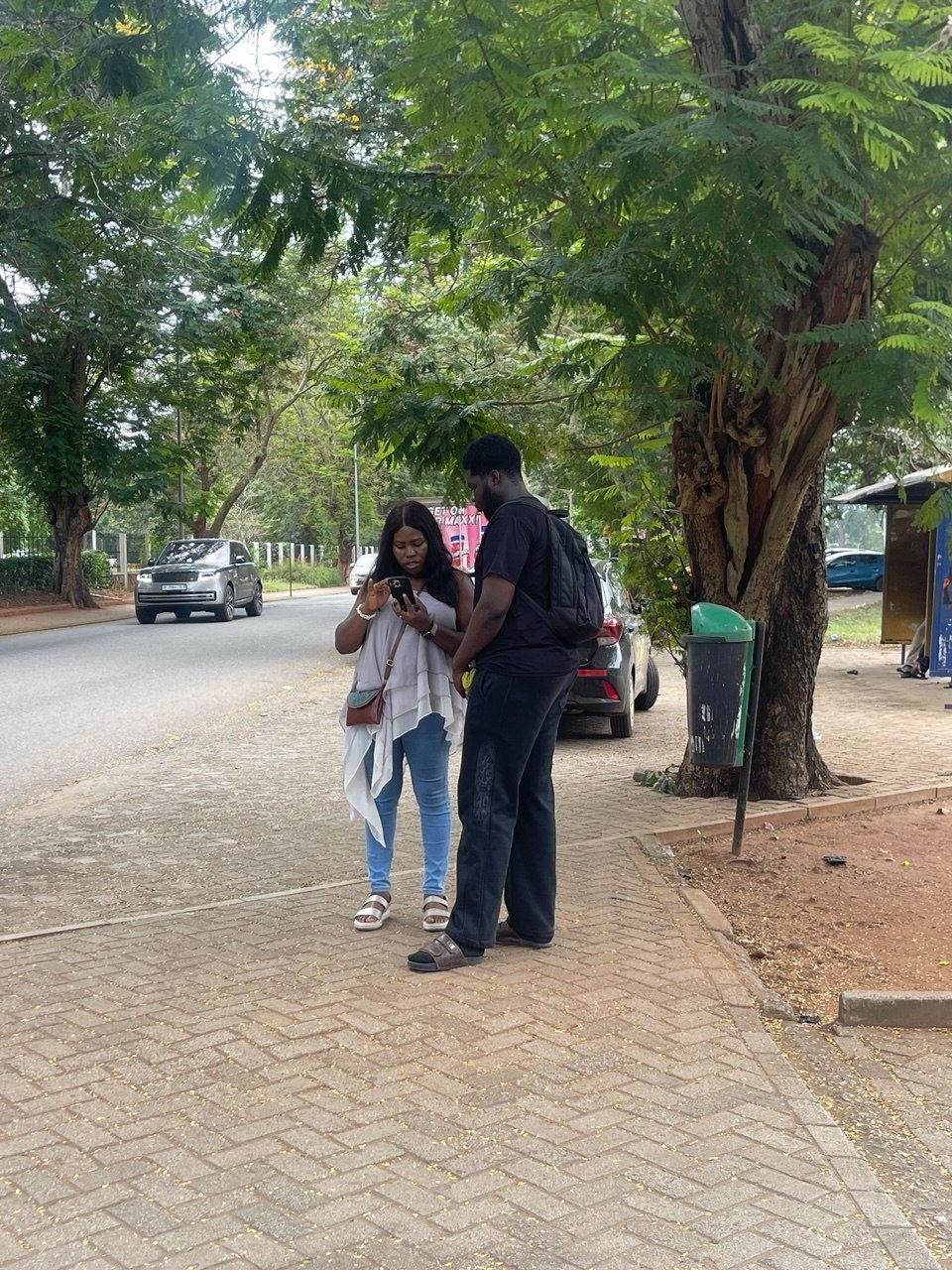
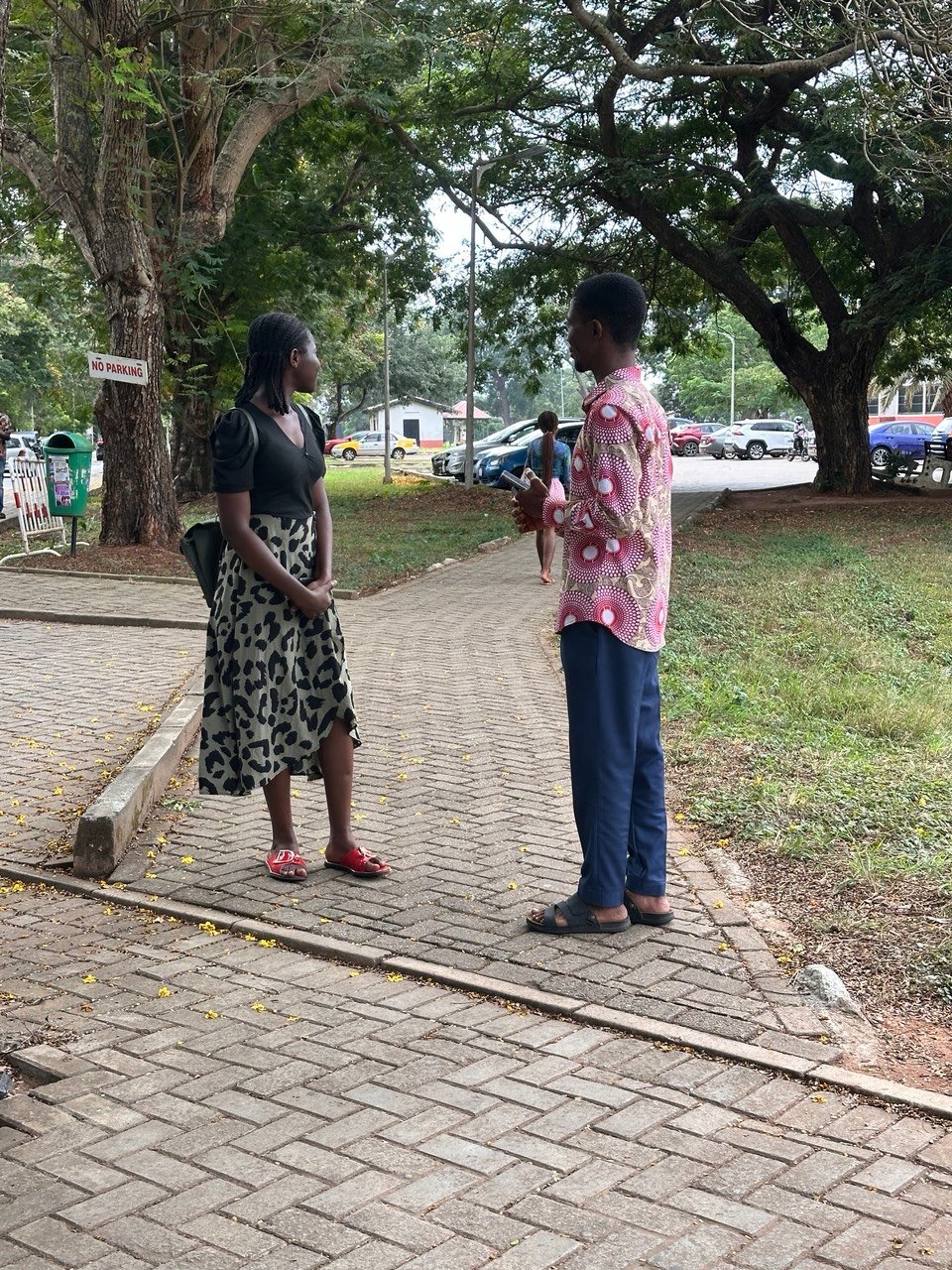
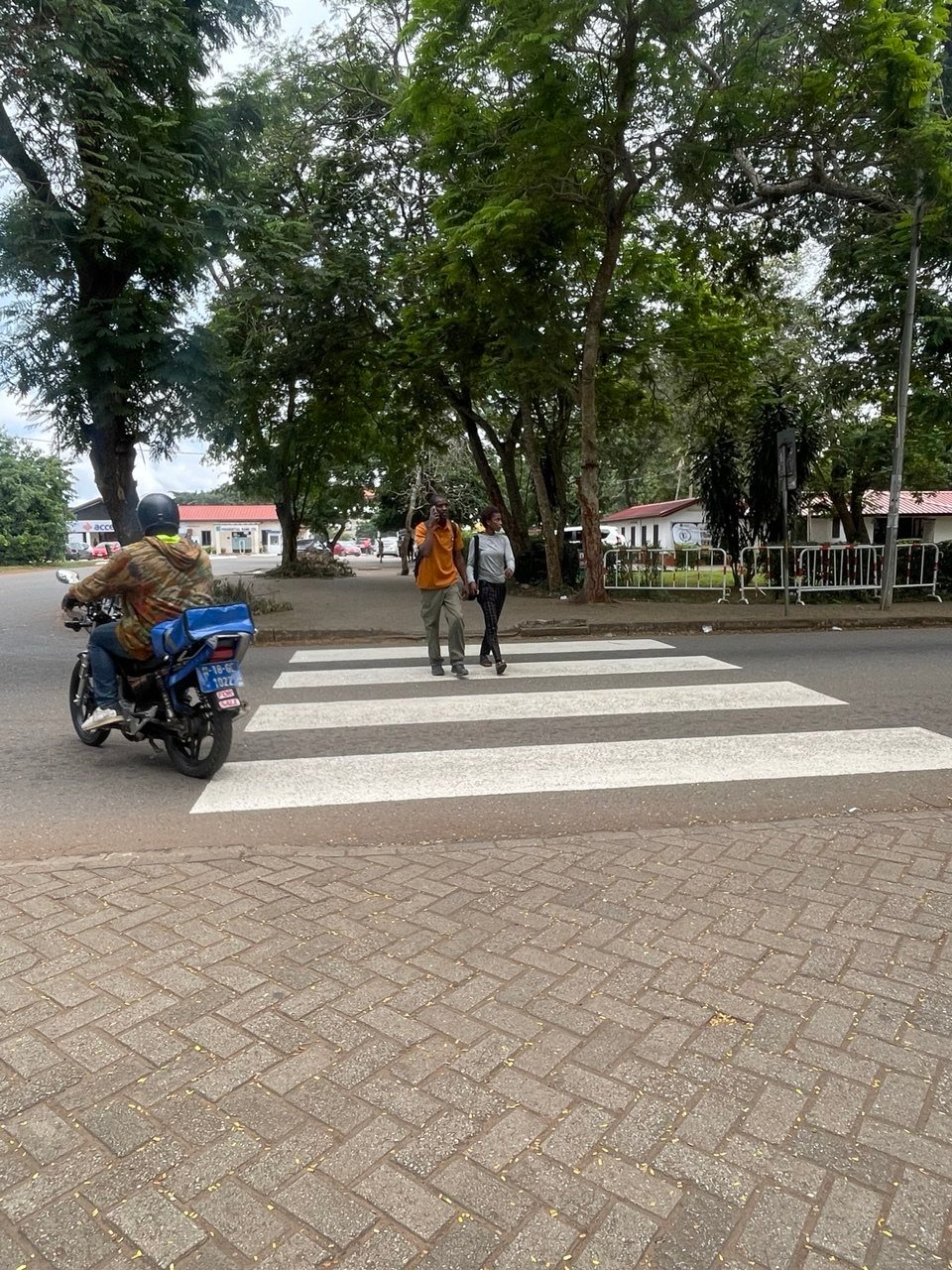
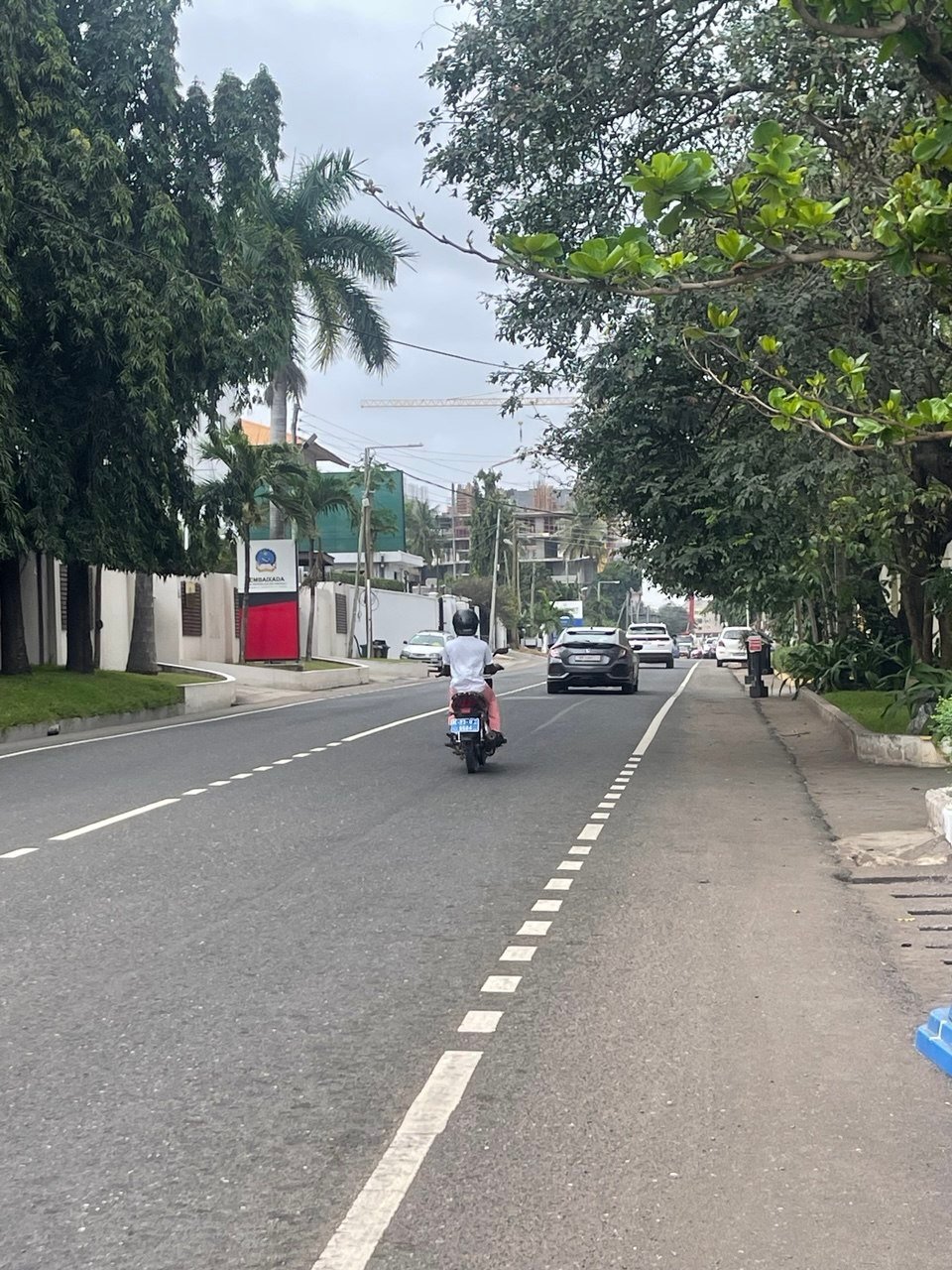
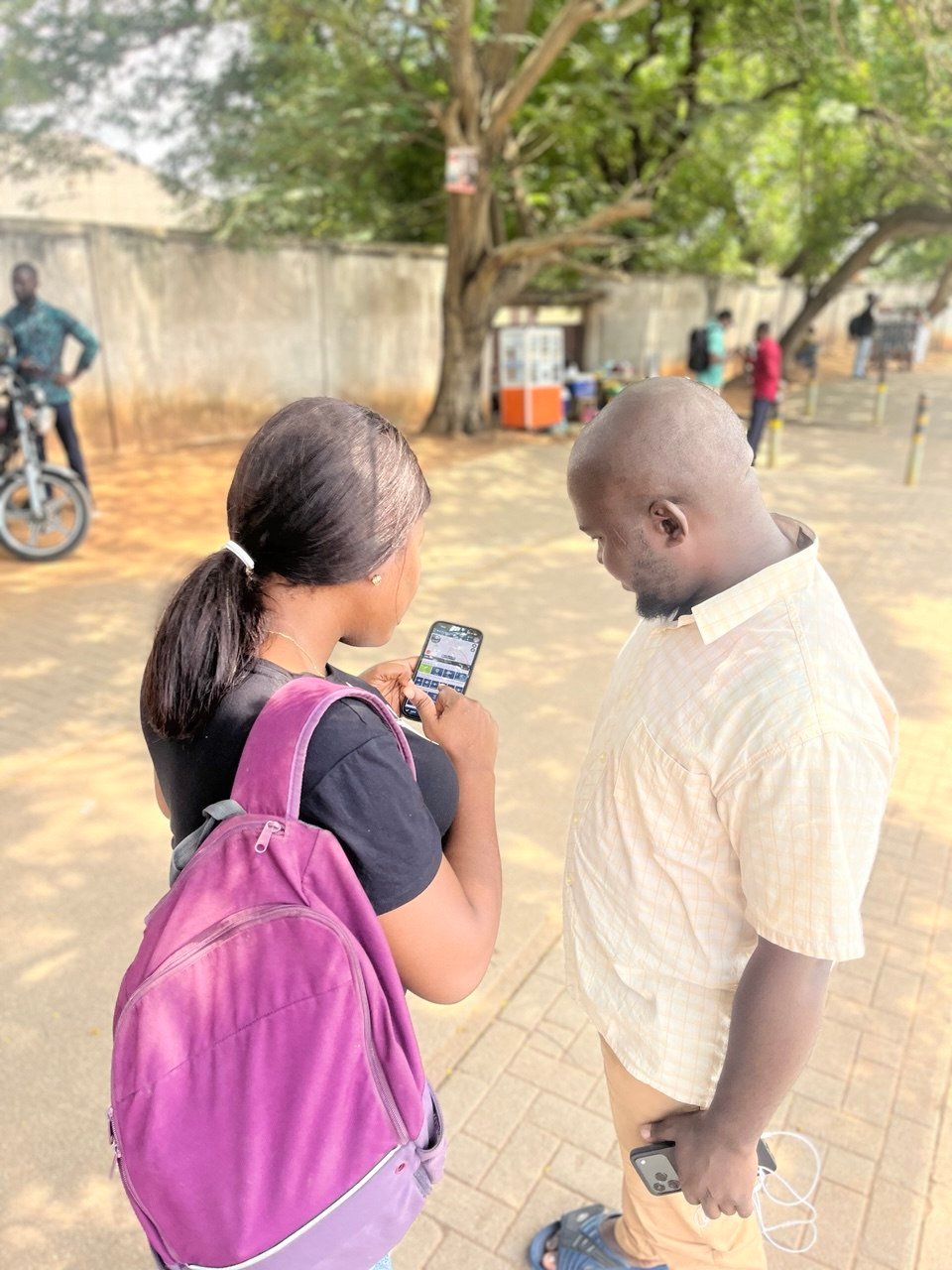
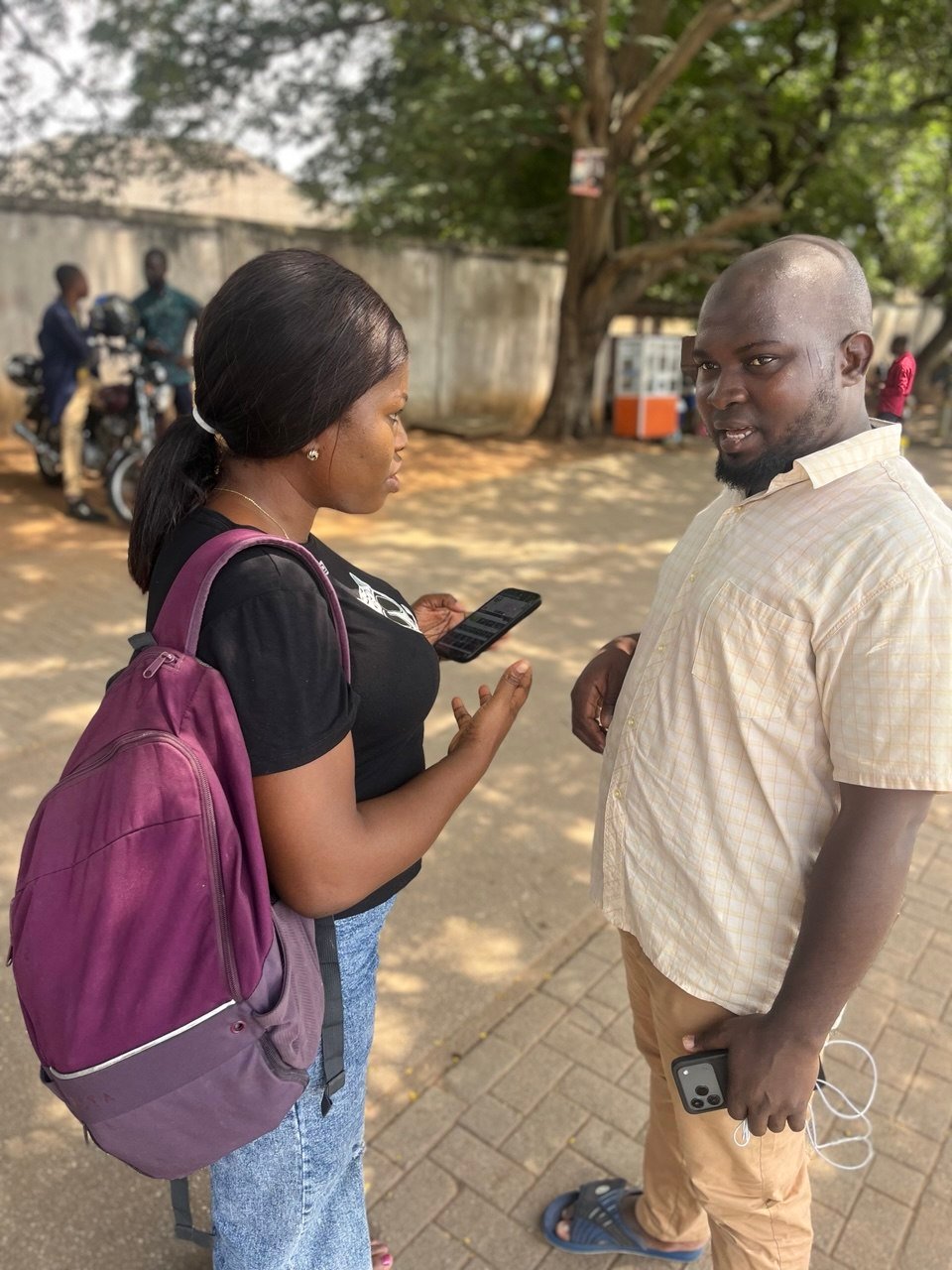
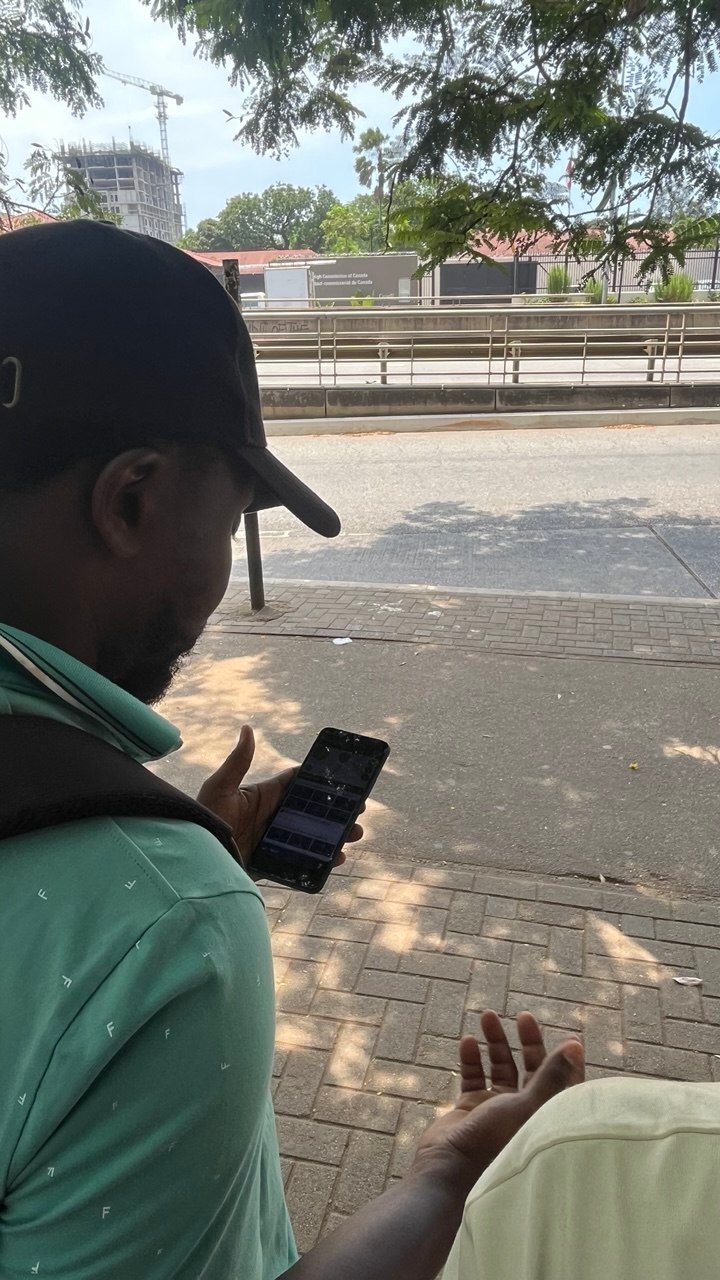
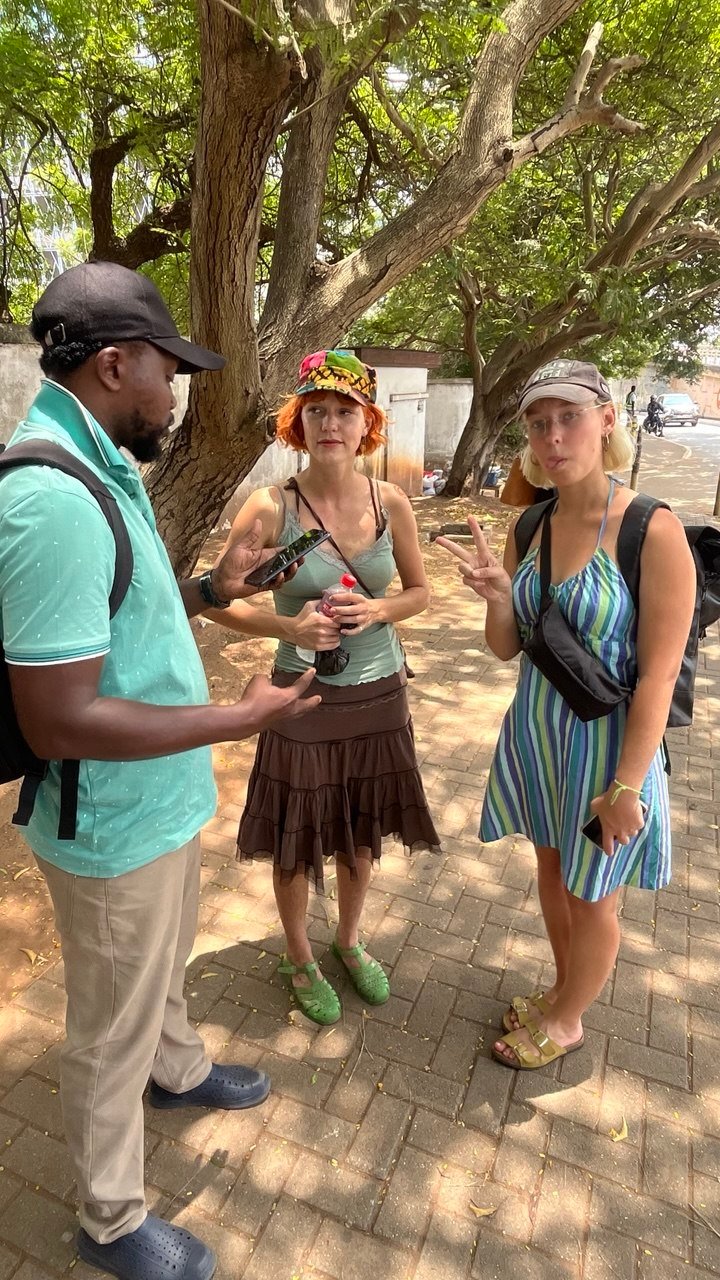
The Centre for Advanced and Applied Research (CAAR Scholars) participated in a baseline study conducted by the United Nations Environment Programme (UNEP) and Transform Transport Accra to assess issues relating to electric bikes, pedestrian safety, and walkability in selected areas of Accra. The study sought to generate baseline information on the experiences of pedestrians and the conditions they encounter along selected streets that experience regular pedestrian movement and daily commuting. As part of the fieldwork team, CAAR Scholars supported the collection of primary data from pedestrians using selected routes in Accra. The team combined digital walkability assessment tools and structured questionnaires to document conditions along the selected stretches and capture the experiences and perceptions of pedestrians. The selected locations included: Sankara Bus Stop to Ridge Bus Stop along Liberation Road University of Ghana Night Market stretch Nortei Ababio Street stretch in Airport Residential Area Researchers assessed the selected routes using the Walkability App to document relevant conditions along the streets. In addition, Google Forms was used to administer structured questionnaires to pedestrians. The field team also engaged pedestrians directly to understand their experiences while using the selected routes for their daily commuting activities. Discussions focused on issues affecting pedestrian movement, safety, accessibility, and the general walking experience along the selected stretches. CAAR Scholars contributed to the project through field research, pedestrian engagement, data collection, and documentation of conditions along selected routes. The exercise provided an opportunity for CAAR researchers and field team members to gain practical experience in urban mobility research, pedestrian safety assessment, digital data collection, and evidence generation for sustainable transport planning. The participation also aligns with CAAR Scholars' commitment to supporting applied research that connects evidence, urban development, sustainability, and public policy